Examining Transaction Pathways That Unlock Rotation Credits in Portable Entertainment Platforms
Kirjoittanut Riley Baumann · 22.8.2026
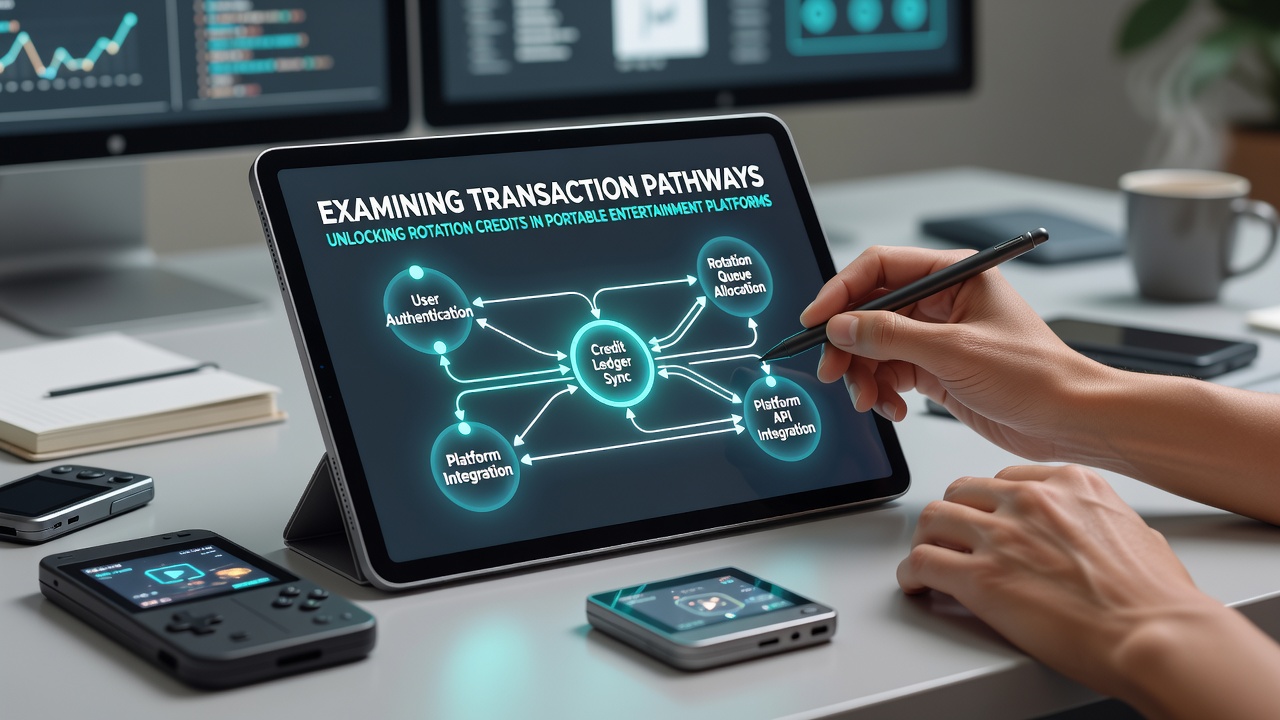
Examining Transaction Pathways That Unlock Rotation Credits in Portable Entertainment Platforms
Portable entertainment platforms rely on structured transaction pathways to convert user deposits into rotation credits that activate gameplay sequences across mobile applications, and these mechanisms have grown more sophisticated since the expansion of digital payment networks in recent years.
Core Mechanics of Rotation Credits
Rotation credits function as units that enable repeated play cycles within games hosted on smartphones and tablets, and operators allocate them after specific deposit confirmations reach the platform servers, according to industry reports from the Interactive Games and Mobile Association. The process begins when a user initiates a transfer through approved channels such as digital wallets or bank transfers, then the system verifies the funds before releasing the credits into the account balance.
Researchers at several European universities have tracked how these credits differ from standard bonuses because they tie directly to verified transaction amounts rather than promotional campaigns alone, and data collected through 2025 showed consistent patterns in credit release timing that align with payment processor settlement windows.
Mapping Common Transaction Pathways
One primary pathway involves direct bank transfers that route through intermediary processors, which reduces latency and allows credits to appear within minutes of successful authorization. Another route uses cryptocurrency exchanges that convert digital assets into platform currency before the rotation credits activate, and this method gained traction in regions with supportive regulatory frameworks.
Payment gateway integrations also play a central role because they handle encryption and compliance checks simultaneously, and observers note that platforms using multiple gateways maintain higher uptime during peak transaction periods. Studies indicate that layered verification steps, including two-factor authentication, further secure these pathways while still delivering credits promptly to users who complete the required actions.
Technical Integration and Platform Architecture
Backend systems on portable entertainment platforms connect transaction logs to credit allocation engines through application programming interfaces that update balances in real time, and this architecture prevents discrepancies between deposited amounts and credited rotations. Engineers design these connections to handle high volumes without interruption, particularly during promotional windows that coincide with major sporting events or game releases.

Security protocols embedded in the pathways include tokenization of payment details so that sensitive information never resides on the entertainment platform itself, and this separation meets standards set by organizations such as the European Central Bank for digital transaction safety. Platforms that adopt these measures report fewer disputes over credit delivery, according to aggregated figures shared at industry conferences through mid-2026.
Regulatory Developments Affecting Pathways
By August 2026 several jurisdictions had updated rules governing how portable platforms process deposits and release rotation credits, with emphasis on transparency in fee structures and settlement times. Canadian authorities, for instance, introduced reporting requirements that compel operators to document every step from deposit initiation to credit activation, and similar measures appeared in select Australian states.
These updates encourage platforms to maintain audit trails that regulators can review on demand, and the changes have prompted many operators to streamline their chosen transaction routes to avoid delays that could violate new disclosure mandates. Data compiled by academic research groups shows that compliant pathways tend to experience fewer interruptions and maintain user trust across different device types.
Examples from Operational Platforms
One documented case involved a platform that shifted from single-gateway processing to a hybrid model incorporating both traditional banking rails and instant wallet services, resulting in faster credit unlocks during high-demand hours. Another example highlighted how cross-border transfers required additional compliance layers yet still delivered rotation credits within the same session when users selected verified regional payment options.
Analysts tracking these implementations note that success depended on precise mapping of each pathway rather than reliance on any single method, and platforms that diversified their options handled seasonal volume spikes more effectively than those using limited routes.
Conclusion
Transaction pathways that unlock rotation credits continue to evolve alongside advances in mobile payment technology and shifting regulatory expectations, and platforms that maintain multiple verified routes position themselves to deliver consistent credit activation across diverse user bases. Ongoing monitoring by research institutions and oversight bodies ensures these systems remain aligned with security and transparency standards that support sustained operation in teh portable entertainment sector.