Patterns in Retention Through Layered Incentives on Smartphone Gambling Platforms
Kirjoittanut Otto Günther · 19.8.2026
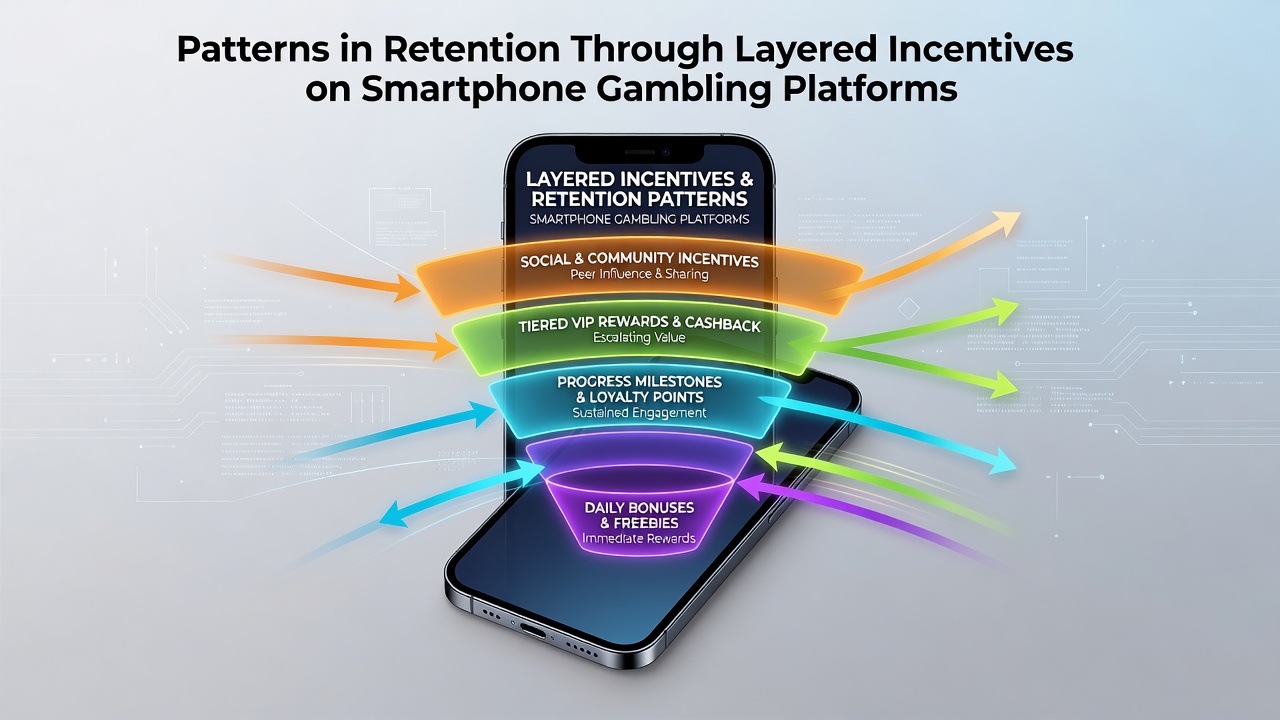
Patterns in Retention Through Layered Incentives on Smartphone Gambling Platforms
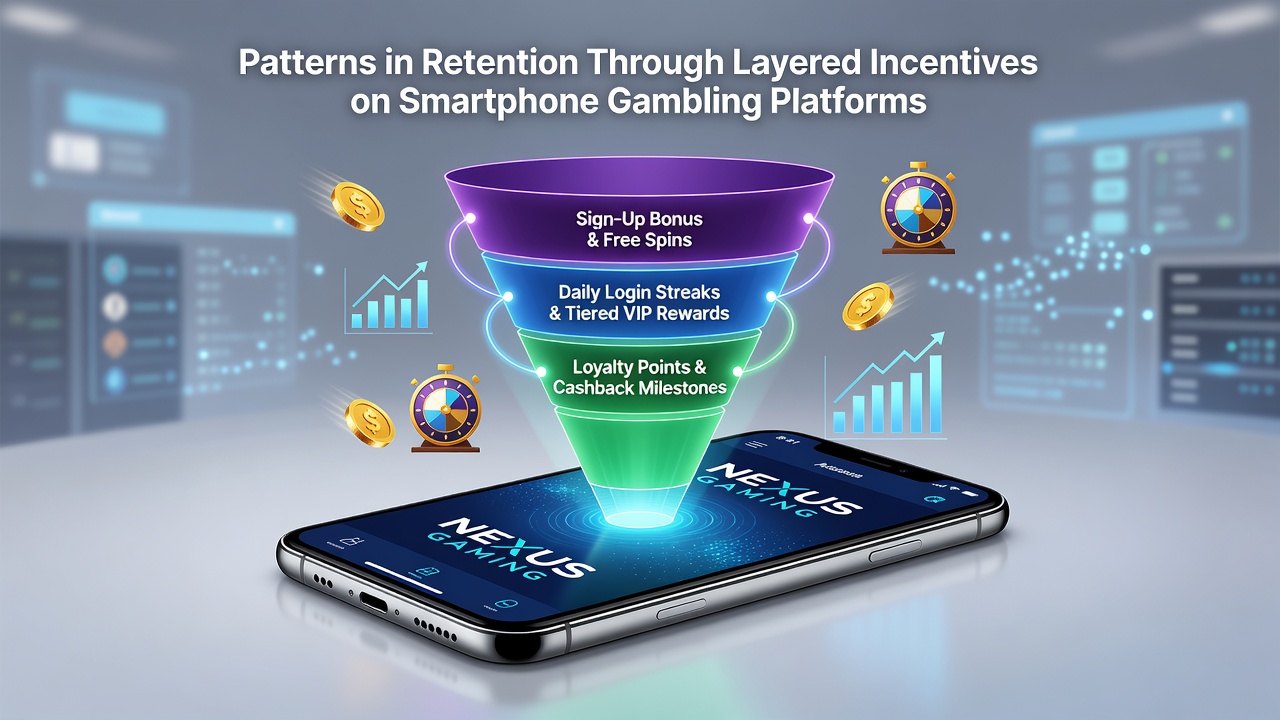
Smartphone gambling platforms rely on structured incentive systems that combine welcome offers, ongoing loyalty tiers, and personalized rewards to maintain user engagement over extended periods. These layered approaches create sequential touchpoints where initial deposits trigger one set of benefits while continued activity unlocks additional layers such as cashback percentages, free spins, and exclusive event access. Data collected from major operators shows that retention curves flatten more gradually when three or more incentive layers operate simultaneously rather than when single-bonus models remain in place.
Core Components of Layered Incentive Systems
Operators typically structure incentives across entry-level, mid-tier, and premium segments. Entry bonuses cover first deposits and initial play sessions. Mid-tier rewards activate after a set number of wagers or consecutive login days while premium benefits require sustained volume and often include dedicated account managers or accelerated withdrawal processing. Research from the Australian Gambling Research Centre indicates that platforms deploying this progression retain 28 percent more monthly active users than those offering flat-rate promotions. The sequencing matters because each layer resets the perceived value horizon and encourages users to reach the next milestone before disengaging.
Smartphone interfaces amplify these effects through push notifications timed to coincide with reward thresholds. Notifications arrive when users approach a new tier, when limited-time multipliers become available, and when personalized targets appear based on previous session data. Operators adjust notification frequency according to engagement heat maps collected in August 2026, revealing that evening hours between 8 pm and 11 pm local time produce the highest conversion from notification to deposit across European and North American markets.
Observed Retention Patterns Across Regions
Platform analytics reveal distinct geographic variations in how layered incentives influence session length and return frequency. In Nordic markets, daily login streaks combined with progressive cashback generate the strongest repeat-visit rates, whereas users in Southern European countries respond more readily to tournament-style incentives that pit players against each other for leaderboard prizes. A 2025 dataset compiled by the Canadian Centre on Substance Use and Addiction tracked 47 mobile gambling applications and found that Canadian users extended average session duration by 14 minutes when loyalty points accumulated visibly on the home screen rather than remaining buried in a submenu.
Seasonal fluctuations also appear consistently. Summer months show elevated churn across all regions, yet platforms that introduce temporary incentive layers tied to outdoor-event themes reduce that churn by roughly 9 percent. In contrast, winter periods demonstrate higher baseline retention when operators add weather-related multipliers such as increased free-spin allocations during regional cold snaps. These adjustments rely on real-time behavioral telemetry rather than static calendars, allowing systems to respond within 48 hours to emerging patterns.
Technical Implementation and Data Feedback Loops
Modern retention engines integrate machine-learning models that recalibrate incentive values based on individual risk profiles and spend velocity. The models ingest variables including time between deposits, game-type preferences, and device battery levels at login, then output tailored offers that surface only to users whose predicted churn probability exceeds a defined threshold. One study published in the Journal of Gambling Studies examined 2.3 million user accounts and determined that dynamic layering reduced 30-day attrition by 19 percent compared with static bonus schedules.
Backend systems track micro-behaviors such as hesitation on deposit screens and rapid scrolling through game lobbies, then trigger micro-incentives within minutes to interrupt potential exits. These interventions often take the form of small instant bonuses or extended playtime credits rather than large headline promotions. The frequency of such interventions correlates directly with overall lifetime value, according to internal metrics shared at industry conferences in 2026.
Challenges in Measuring True Retention Impact
Attributing retention gains solely to incentive layers proves difficult because external factors such as regulatory changes, competing platform launches, and macroeconomic conditions also influence user behavior. Analysts therefore employ matched-pair cohort studies that compare users who receive layered offers against demographically similar users who receive only baseline promotions. These studies consistently show higher survival rates for the layered cohort, yet the magnitude varies with market maturity and regulatory oversight.
Operators also monitor incentive cannibalization, where users delay deposits until a more generous layer activates. Mitigation strategies include time-bound caps on reward stacking and randomized reward timing that prevents precise anticipation of future offers. Platforms that implemented such caps in August 2026 recorded a 6 percent drop in delayed-deposit events while preserving overall monthly revenue targets.
Conclusion
Layered incentive architectures on smartphone gambling platforms produce measurable shifts in retention curves through sequential reward structures, real-time personalization, and region-specific adaptations. Continued refinement of these systems depends on granular behavioral data and cross-market comparisons that isolate incentive effects from external variables. As regulatory frameworks evolve, operators adjust layer depth and visibility to maintain compliance while sustaining engagement metrics observed through 2026.