Tracing Incentive Pathways Through Game Diversity and Transaction Flexibility in Nordic Mobile Wagering Environments
Kirjoittanut Ulrich Koch · 26.8.2026
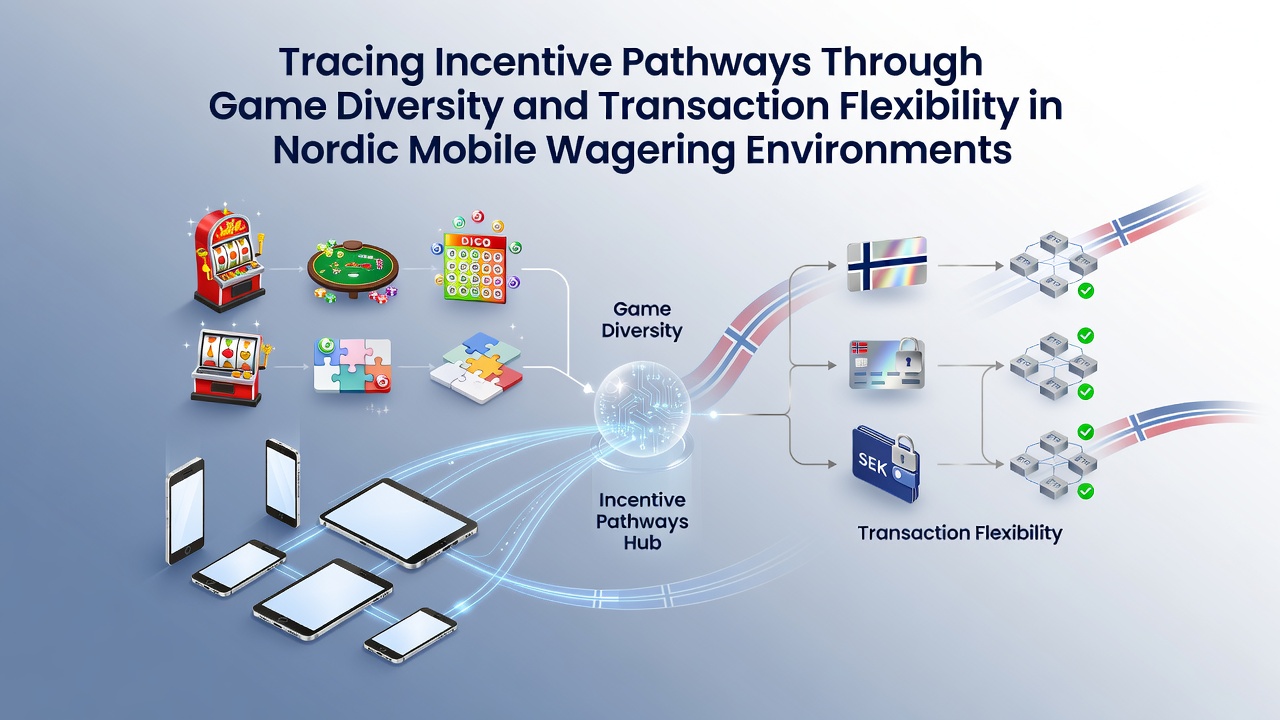
Tracing Incentive Pathways Through Game Diversity and Transaction Flexibility in Nordic Mobile Wagering Environments
Observers note that Nordic mobile wagering has expanded considerably through regulatory adjustments and technological adoption across Finland, Sweden, Norway, and Denmark, with game diversity serving as a primary driver for how incentives flow from initial deposits to player engagement metrics.
Regulatory Frameworks Shaping Mobile Access
Data from regional authorities shows that Sweden's licensing model implemented in 2019 continues to influence transaction pathways in 2026, while Finland maintains elements of its monopoly structure even as cross-border mobile platforms gain traction through updated compliance rules. In August 2026, updated figures released by the Swedish Gambling Authority revealed increased mobile session volumes tied directly to diversified slot and live dealer catalogs that integrate layered reward systems.
Those who've examined the markets point out that transaction flexibility, including instant bank transfers and digital wallet options, allows incentives such as deposit matches and free spins to activate across multiple game categories without the delays once common in desktop environments. Researchers at academic institutions have documented how these pathways create traceable patterns where players move from sports betting interfaces to casino-style games while retaining bonus eligibility.
Game Diversity as a Catalyst for Incentive Mapping
Studies conducted by Nordic research groups indicate that platforms offering over 2,000 titles across slots, table games, and instant-win formats enable more granular tracking of how promotional credits distribute. One analysis from a Finnish university highlighted that users engaging with both high-volatility slots and low-stakes table games retained incentive balances at higher rates when transaction methods supported seamless switching between categories.
What's interesting here is the way game mechanics interact with reward structures, because progressive jackpot networks and tournament modes pull incentives along specific routes that operators monitor through centralized mobile dashboards. Evidence from industry reports shows these pathways often start with welcome bonuses and extend into loyalty tiers that reward consistent activity across diverse titles rather than single-game focus.
Transaction Flexibility and Its Role in Pathway Continuity
Payment innovations such as real-time bank links, prepaid cards, and emerging mobile-native solutions have reduced friction points that previously interrupted incentive activation in Nordic markets. According to a 2025 report from the European Commission on digital services, transaction success rates in mobile gambling environments reached 98 percent in participating Nordic countries, supporting longer incentive chains from deposit to withdrawal.
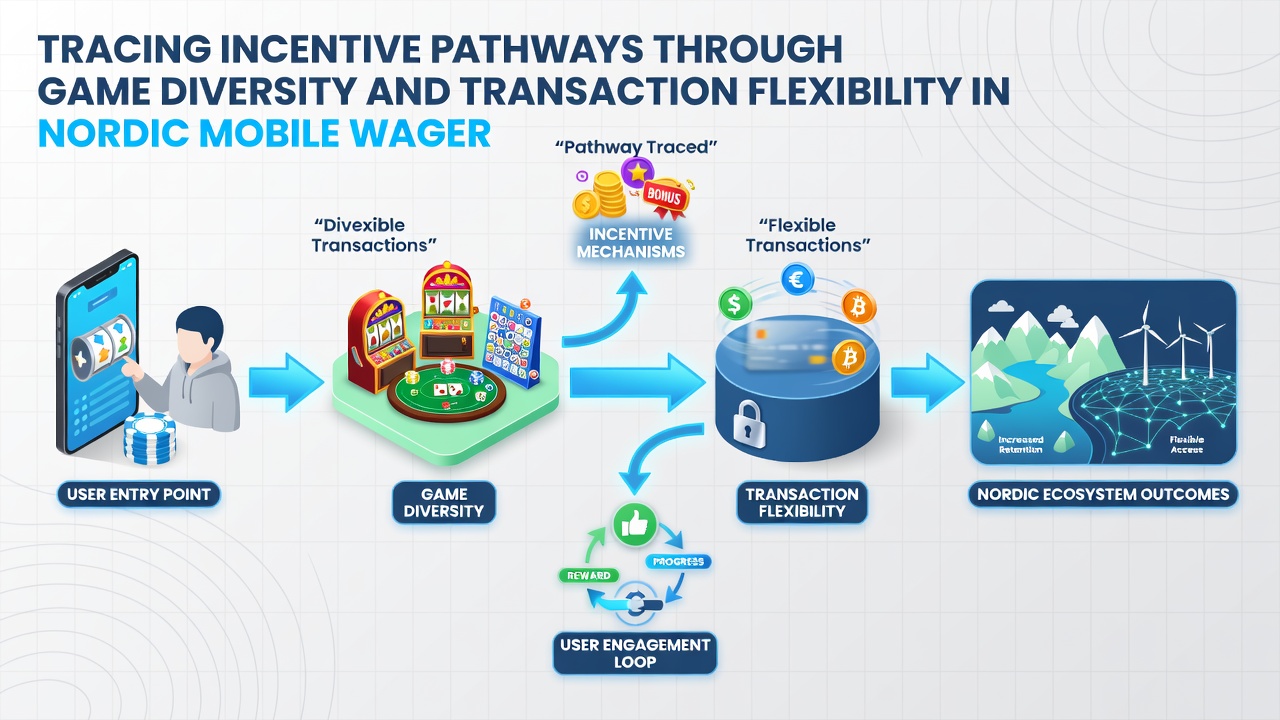
But here's the thing about flexibility: when users select from multiple funding sources within a single session, operators gain clearer data on how bonuses migrate between game types. Observers note that e-wallet users in Sweden and Denmark frequently shift from sports markets to slots while preserving promotional value, creating measurable retention patterns documented in operator analytics.
Integration Patterns Observed in 2026 Data
Figures released in mid-2026 demonstrate that mobile applications emphasizing both variety and payment choice recorded elevated incentive redemption rates compared with more limited catalogs. One study published by a research consortium tracked user journeys and found that platforms supporting instant deposits alongside broad game libraries maintained active incentive balances across an average of 4.7 game categories per session.
Experts have observed that this integration reduces drop-off points, because players encounter fewer barriers when moving between live casino streams and video slots while bonuses remain valid. Data shows transaction logs often reveal clusters where certain payment methods correlate with higher engagement in specific game segments, allowing operators to refine incentive distribution models accordingly.
Conclusion
The pathways connecting game diversity with transaction flexibility continue to define mobile wagering dynamics across Nordic regions as of August 2026, with regulatory bodies and research entities providing ongoing documentation of these interactions. Patterns emerging from available statistics illustrate how operators leverage these elements to sustain player activity through structured incentive systems that span multiple game types and payment options. Continued monitoring by authorities in each country supplies the data necessary for understanding these evolving mechanisms without reliance on any single market perspective.